Best Alarm Sounds to Wake Up
The right alarm tone can mean the difference between groggy fumbling and a clear-headed start. Here’s what the research says, and what actually works in practice.
| Need | Best option |
|---|---|
| Loud alarm sounds for heavy sleepers | ClockWise |
| Challenge-based wake-up tasks | Alarmy |
| Gentler wake-ups around lighter sleep phases | Sleep Cycle |
| Simple built-in phone alarm tones | Apple Clock or Google Clock |
What Is the Best Alarm Sound to Wake Up?
There is no single “best” alarm sound. What works depends on how deeply you sleep, whether you hit snooze, and how your brain responds to different frequencies. The best alarm sound is one that reliably wakes you without leaving you disoriented or stressed. For some, that means a gentle gradual tone; for others, a sharp high-pitched beep that cuts through deep sleep.
If you use an online alarm clock or phone alarm, you are usually limited to built-in tones. Dedicated apps offer more options and often let you customize frequency, volume ramp, and even mission-based dismissal. Understanding the science helps you choose.
Individual response to alarm tones varies with sleep stage, hearing sensitivity, and habituation. No single alarm sound works universally. Rotating tones every few weeks and combining sound with physical alarm placement across the room improves wake-up reliability.

The Science of Alarm Tones
Studies show that certain frequencies penetrate sleep more effectively than others. Tones around 520 Hz, a mid-to-high range, tend to trigger arousal faster than low rumbles or very high squeals. The brain in deep sleep filters out familiar or monotonous sounds; novelty and variation matter.
Volume matters too. Phone alarms often cap around 70 dB. In deep sleep, that may not be enough. Alarms in the 80–100 dB range are more likely to break through. If you sleep through your alarm regularly, consider an alarm clock for heavy sleepers with louder tones and harder-to-dismiss mechanics.
Gradual vs Sudden Alarms
Gradual alarms start soft and increase in volume over 30 seconds to a few minutes. They mimic natural light-based wake-up and tend to reduce sleep inertia, that groggy feeling when you first open your eyes. The tradeoff: if you sleep deeply, you may not hear the soft start and sleep through the ramp.
Sudden loud alarms wake you immediately. They are effective for heavy sleepers but can spike cortisol and leave you jittery. If you use a sudden alarm, give yourself a few minutes before making decisions. Pair with how to wake up early habits like consistent bedtimes and light exposure.
Nature Sounds vs Beeping
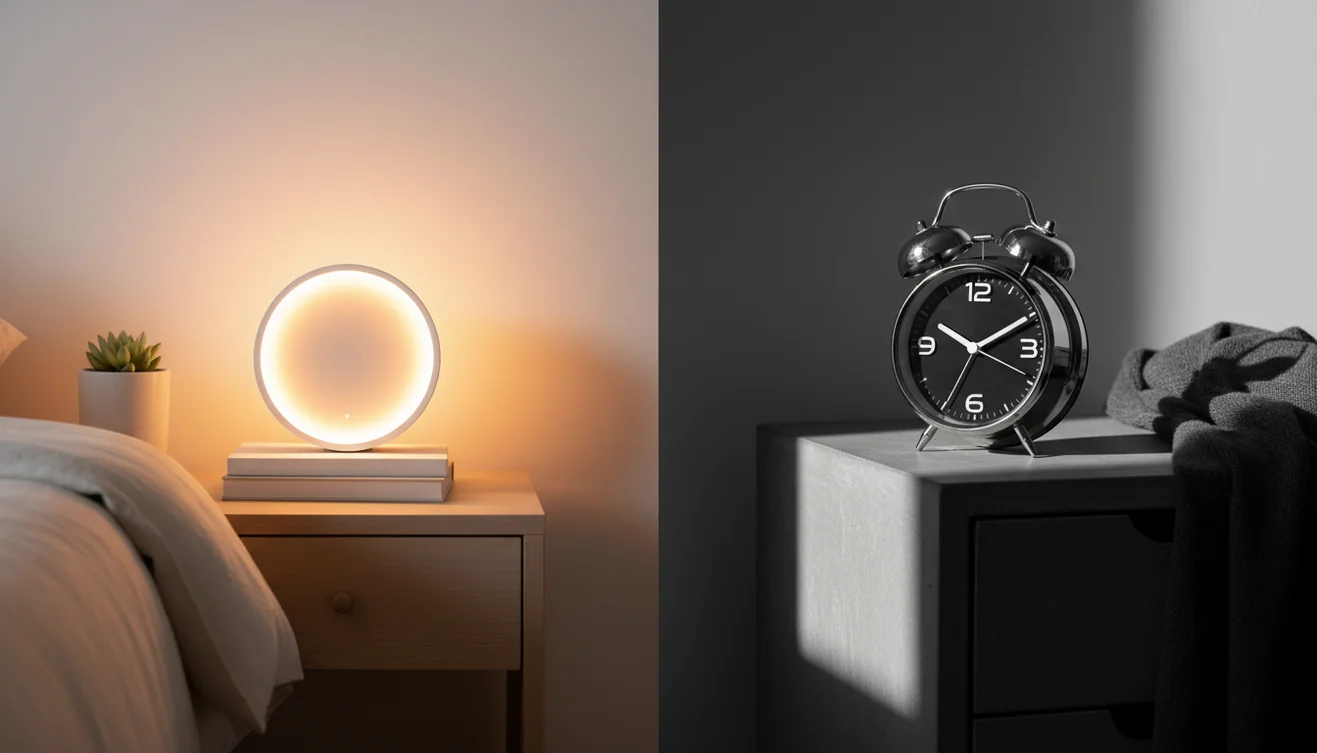
Nature sounds (birds, ocean waves, rain) feel less jarring and may reduce morning stress. They work well for light sleepers who wake easily. The downside: they can be easier to incorporate into dreams or ignore. If you have slept through a “relaxing” alarm, you are not alone.
Beeping is more effective at breaking through deep sleep. It is designed to be attention-grabbing. The tradeoff is that it can feel harsh. Some people use a hybrid: nature sounds for the first alarm, with a backup beep a few minutes later. For sleep quality before you wake, see sleep sounds for better sleep and sleep cycle explained.
Melodic Alarms and Personalization
Melodic alarms (tunes or chord progressions instead of raw beeps) can feel less aggressive. They may reduce the cortisol spike that sudden alarms cause. The catch: familiar melodies become ignorable. Your brain learns to tune them out. Rotate your alarm tone every few weeks to keep it novel.
Personalization matters. Some people wake better to voices; others to percussion. If you use a timer or nap alarm clock, test different tones for short naps. What works for a 20-minute nap may differ from a full night’s wake-up.
Best Alarm Sounds App
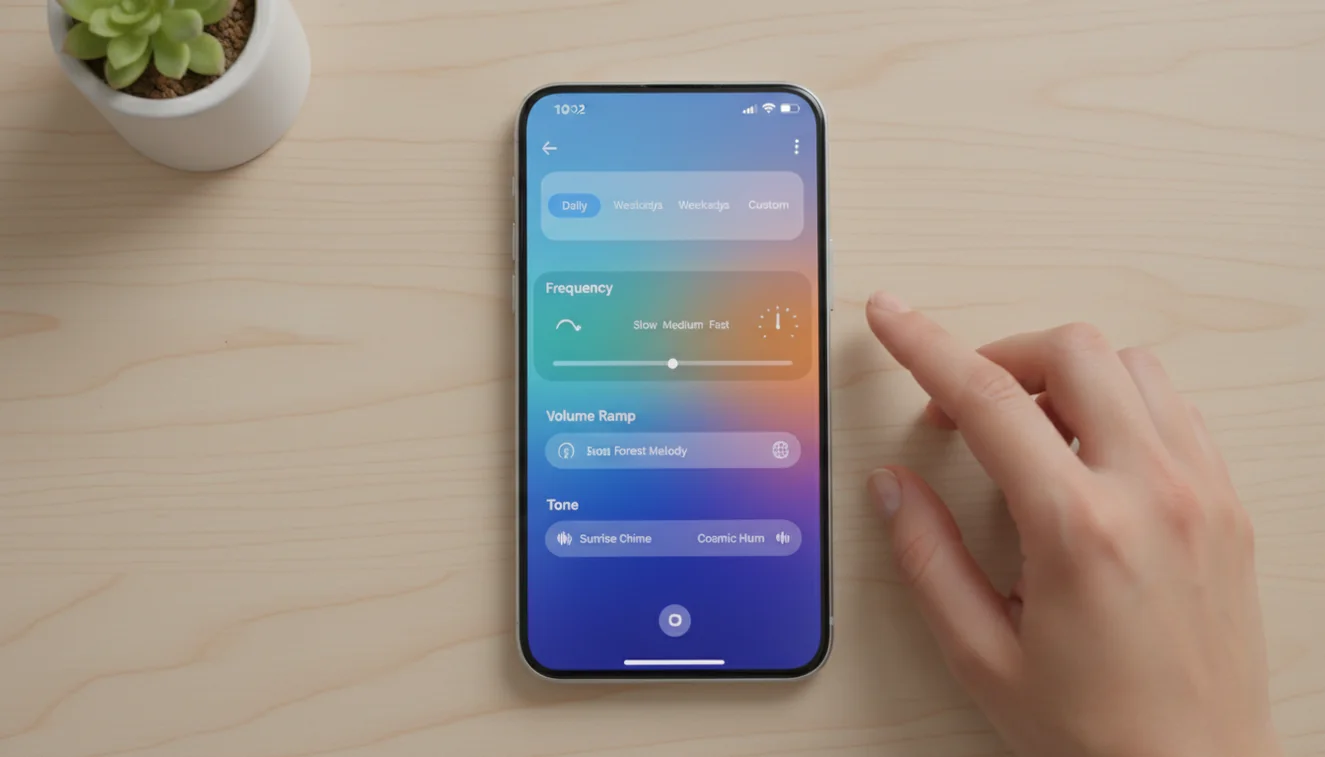
Browser-based alarms offer limited tone options and depend on tab focus. A dedicated app gives you more control: multiple alarm sounds, volume ramping, and mission-based dismissal for heavy sleepers. Alarmy includes loud tones, gradual options, and tasks like math or photo missions to turn off the alarm, forcing you to engage before dismissing.
Pair your alarm sound with a solid morning routine. Consistency in wake time matters more than the perfect tone. See morning routine tips for habits that make waking easier.
Related Guides
Frequently Asked Questions
High-frequency tones around 500-520 Hz penetrate sleep more effectively than low-pitched sounds. Gradual volume increase reduces grogginess for light sleepers, while sudden loud tones at 80+ dB are more effective for heavy sleepers. Rotating tones every 2-4 weeks prevents habituation.
Nature sounds like birds or ocean waves are gentler and may reduce sleep inertia, but they can be easier to sleep through. They work well for light sleepers or when paired with gradual volume increase. Heavy sleepers often need louder, more abrupt tones.
In deep sleep, the brain filters familiar or low-intensity sounds. You may incorporate beeping into dreams. Solutions include changing your alarm tone regularly, using higher frequencies, increasing volume, or mission-based dismissal that requires cognitive engagement.
Gradual alarms (starting soft and increasing) reduce sleep inertia and grogginess. Sudden loud alarms wake you faster but can leave you more disoriented. Heavy sleepers often need sudden; light sleepers benefit from gradual.
Melodic alarms can feel less jarring and may reduce morning stress. However, familiar melodies can become ignorable over time. Rotate tones every few weeks. Beeping tends to be more effective at breaking through deep sleep.
An alarm clock app is a mobile application that wakes users using customizable sounds, vibration, and interactive tasks. Unlike the default phone alarm, dedicated apps offer extensive tone libraries, volume override, and mission-based dismissal.
Changing alarm sounds every 2-4 weeks prevents habituation. The brain learns to filter familiar sounds during sleep, making the same tone less effective over time. Rotating between 3-4 tones is a practical approach.
Tones around 500-520 Hz have been shown to penetrate sleep more effectively than lower frequencies. High-pitched, sharp tones are harder for the brain to incorporate into dreams and ignore during deep sleep.
Vibrating alarms combined with sound are more effective than either alone. Vibration adds a physical stimulus channel that works even when ears are covered by pillows or blankets. Vibration alone rarely wakes heavy sleepers.
Wake Up With a Louder, Smarter Alarm
ClockWise helps you choose louder alarm sounds, set reliable wake-up routines, and reduce the chance of sleeping through your alarm. If chronic oversleeping continues despite better alarms and habits, consider speaking with a doctor.
Get ClockWise App