Home › Blog › Loudest Alarm App
Loud Alarm Facts

Loudest Alarm App for Heavy Sleepers

The loudest alarm app depends mostly on your phone’s speaker, not on the app. Apps can raise the alarm volume, choose harsher tones and ramp up quickly, but none can exceed what the hardware produces. This guide covers decibels, volume settings, and when an external speaker or a dedicated clock makes sense.

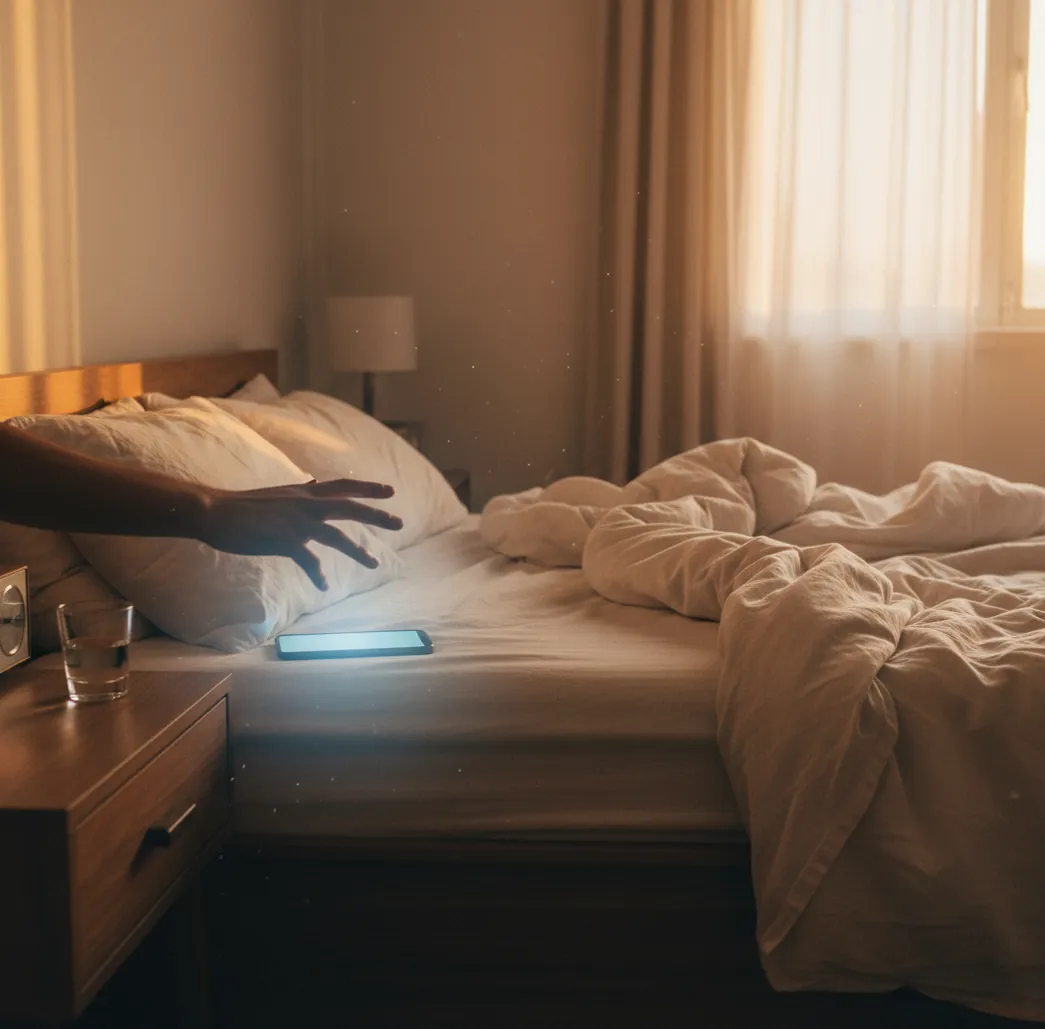
Phone alarm and a sound level meter on a nightstand measuring the alarm loudness

Every few months someone asks which app is the loudest. I have never seen a trustworthy answer, because the answer is the speaker.

What you can control is the setup: the alarm volume, the tone, the distance and the surface.

Ways to get a louder alarm (most to least effective):

  1. Check the real alarm volume (iPhone ringer slider, Android alarm slider)
  2. Use a harsh, mid-range tone and a fast volume ramp
  3. Put the phone on a hard surface that does not muffle the speaker
  4. Add a second alarm on another device
  5. Consider a dedicated loud clock with a bed shaker
Quick Definition

What “loudest alarm app” really means

Loudness is mostly a hardware question. A phone speaker is small, and its maximum output, its weak low-frequency response and its position on the device are all fixed. An app can only do four things: use the full alarm volume, choose tones that the speaker reproduces well, ramp up quickly, and refuse to let you turn the volume down while it rings.

So when an app claims to be the loudest, it is a marketing claim, not a measurement. The useful question is how to get the most out of the speaker you own. For the wider strategy on waking heavy sleepers, see our heavy sleeper alarm guide.

The Numbers

Decibels, distance, and why across the room cuts both ways

Sound level drops as you move away from the source. In open space it falls by about 6 dB each time the distance doubles, and in a real bedroom it falls somewhat less because of reflections. Moving a phone from 0.5 m to 4 m (three doublings) can cost something like 15 to 18 dB in free field. That is a very large drop for a sleeping ear.

This is the tension every heavy sleeper faces. Putting the phone across the room forces you to stand up, but it also makes it quieter. The fix is not to give up distance, but to make the alarm louder where it matters, with a harder surface, a larger speaker, or a second device near the bed.

Pitch matters too. Small speakers are weak at low frequencies, and human hearing is most sensitive in the 2 to 4 kHz range, so a piercing tone can sound louder than a deep one at the same output. Fire-safety research found that a lower-pitched square-wave tone, around 520 Hz, wakes sleepers more reliably than high-pitched beeps, which is why many current smoke alarms use it. A phone cannot reproduce that tone with much power, so for phones the compromise is a harsh, mid-range tone with strong volume.
Volume Settings

Where phone volume settings actually trip people up

  • iPhone: the alarm volume follows the ringer volume. The silent switch does not mute the Clock alarm, but a low ringer setting does make it quiet. Check Settings, Sounds and Haptics.
  • Android: the alarm has its own volume stream, separate from media and ringer. A low alarm slider is the most common cause of a quiet alarm. Many versions also offer a gradual-volume option in the Clock app.
  • Do Not Disturb and Focus modes: alarms are normally allowed through, but check the exception in your phone’s settings rather than assuming.
  • Bluetooth: if the phone is connected to a speaker, car, or earbuds, the alarm might be routed there. Test what happens with your own devices.
  • Third-party apps: an alarm app that plays through the media stream can be silenced by a media volume of zero. Check which stream the app uses.
Real Options

Ways to get more volume, from simplest to most robust

OptionWhat it doesLimit
Max the alarm volume on the phoneUses everything the speaker hasHard ceiling set by the hardware
Put the phone on a hard surface or in an empty bowl or mugReflects and amplifies a little and stops the mattress absorbing soundSmall gain; do not block the speaker
Harsh, mid-range tone and fast rampBetter cut-through per unit of volumeNeeds rotation; you will habituate
Loud-sound features in apps such as AlarmyAlarmy offers a library of loud tones and an extra-loud effect that triggers if you do not respondSome features need a paid plan; you are still bound by the speaker
Second alarm on another deviceTwo sources, two locations, two failure modesYou have to set two alarms
Dedicated loud alarm clock with a bed shakerBigger speaker plus vibration, built for deep or hearing-impaired sleepersExtra device; check the product specs
Measure It

How to test your own alarm

  1. Install a free sound-level meter app on a second phone, or borrow one.
  2. Place your alarm phone where it sits at night and the meter at pillow height.
  3. Run the alarm at full volume with your usual tone and note the peak reading.
  4. Try a harsher tone and a hard surface and compare. Pick the setting with the best reading, not the one that sounds the most dramatic from the doorway.
  5. Treat the numbers as rough. Phone microphones are not calibrated instruments, but they are good enough to compare two setups.
Reality Check

Where the loudest setup still fails

  • You adapt to a tone in a few weeks. Rotate it.
  • You can be loud and still silence the alarm half-asleep, so volume alone does not solve oversleeping. Add a task or distance. Our challenge alarm guide explains how.
  • A shared wall means a neighbour or partner may be woken instead of you.
  • Cases, thick covers and pockets block the speaker.
⚠ Safety: Do not use maximum volume through earbuds at night, and keep sound sources away from your ear. Very loud sound can damage hearing. If you need an extreme alarm to wake, rule out a medical cause with a doctor.

Mistakes that make a loud alarm quiet

Adjusting media volume instead of alarm volume

On Android these are separate controls. Turning up a video does not change the alarm.

Leaving the ringer low on iPhone

Since the alarm follows the ringer, a low ringer gives a low alarm.

Muffling the speaker

A thick case, a blanket, or placing the phone face down on a soft surface can cut volume noticeably.

Testing in the daytime only

Your house is quiet at 6 a.m., but you are deep asleep. Test from where you will be, and then leave it a few nights.

Myth Busting

Myths about loud alarm apps

Myth: "There is an app that makes my phone louder than its speaker allows."

Fact: No software can exceed the speaker’s output. It can only use the available headroom well.

Myth: "Louder always wakes me up."

Fact: Past a point, louder just makes the alarm unpleasant. A moderate alarm with a task often beats an extreme alarm that you can switch off blind.

Myth: "A Bluetooth speaker is a safe upgrade."

Fact: It can be, but connection problems can turn it into the opposite. Test it for several nights.

Final Pick

Verdict on the loudest alarm app

Make the phone itself as loud as it will go, and then work on everything around it: a hard surface, a harsh mid-range tone, a quick ramp and a second device. If volume alone is not enough, you need a dismissal task or a physical routine more than you need more decibels.

Short answer: no app is the loudest, because the speaker sets the limit. Check the alarm volume, use a hard surface, rotate harsh tones, and add a backup alarm or a dedicated loud clock with a bed shaker if you still sleep through it.

Questions about loud alarms and phone setup

What is the loudest alarm app?

There is no independent ranking. Every phone alarm is limited by the speaker, so the app cannot exceed what the hardware can produce. Apps differ in how they use that ceiling, such as forcing the alarm volume up, picking harsh tones, and ramping quickly.

How loud is a phone alarm in decibels?

It varies a lot by model and by distance. Measured close to the speaker, many phones land somewhere in the range of roughly 70 to 90 dB, and the level falls as you move away. A free sound-level meter app on a second phone gives you a rough reading of your own setup.

Does a hard surface make a phone alarm louder?

Putting a phone on a hard surface gives a small gain in loudness and stops a mattress from absorbing the sound. Use a wooden shelf, a dresser or even an empty bowl or mug, which reflects the sound a little, and never block the speaker grille. The gain is modest, so treat it as a supplement to full alarm volume, not a substitute.

Can an app override my phone volume?

Some alarm apps raise the alarm volume when the alarm starts, and some lock it so you cannot turn it down during the alarm. Behaviour differs by app and by operating system, so test it. If the system alarm volume is low, a poorly built app may still ring quietly.

Is a Bluetooth speaker a good alarm?

Only if you have tested the exact setup. Whether the alarm plays through a connected speaker, how it handles a speaker that is switched off, and whether the connection survives the night all vary. A speaker that fails silently is worse than the phone speaker.

Are bed shakers or dedicated alarm clocks louder than a phone?

Dedicated alarm clocks made for people who are hard of hearing generally pair a larger speaker with a vibrating bed shaker, so they can both outrun a phone speaker and add a physical cue. Look at the product specifications and reviews for your needs.

Is a very loud alarm bad for my hearing?

Loud sound close to your ear can damage hearing, especially through headphones, so a very loud alarm can be bad for it. Use the lowest volume that reliably wakes you, keep the phone away from your head, and never sleep with earbuds in at full volume. If you need maximum volume every day, change the tone or add distance first.

How much quieter does an alarm get across the room?

Sound level falls by about 6 dB each time the distance doubles in open space, and a little less in a real bedroom because of reflections. Moving a phone from 0.5 m to 4 m, which is three doublings, can cost roughly 15 to 18 dB. That is a large drop for a sleeping ear, so make sure the alarm is still clearly audible from bed.